
Why is devolution led by mostly white men?
Note: This article was written in Feb 2024, but never published, so keep in mind that since it was written, Claire Ward, Kim McGuinness, Andrea Jenkyns and Helen Goodwin have been elected.
11 white men gathered to have their photo taken together, with Tony Lloyd at the helm. They were to lead the first devolved English Combined Authority in Greater Manchester, following then-Chancellor George Osborne’s landmark announcement.
Since then, there have been 14 other combined authorities, all plagued with the same issue regarding gender and race, which often leaves some demographics behind.
Ronda Sharp, who went on to be an advisor to the UN Women’s Expert Group, wrote back in 2003 that to advance initiatives for gender equality in politics and economics, the governments of the UK, USA and Australia must look towards “devolution and decentralisation of government activities.”
However, she emphasised that there should be a greater presence of women in these devolved governments. This has currently been overlooked by the devolved powers of England.
As of early 2026, there are six more combined authority plans that could change the local government layout of 17 councils in England.
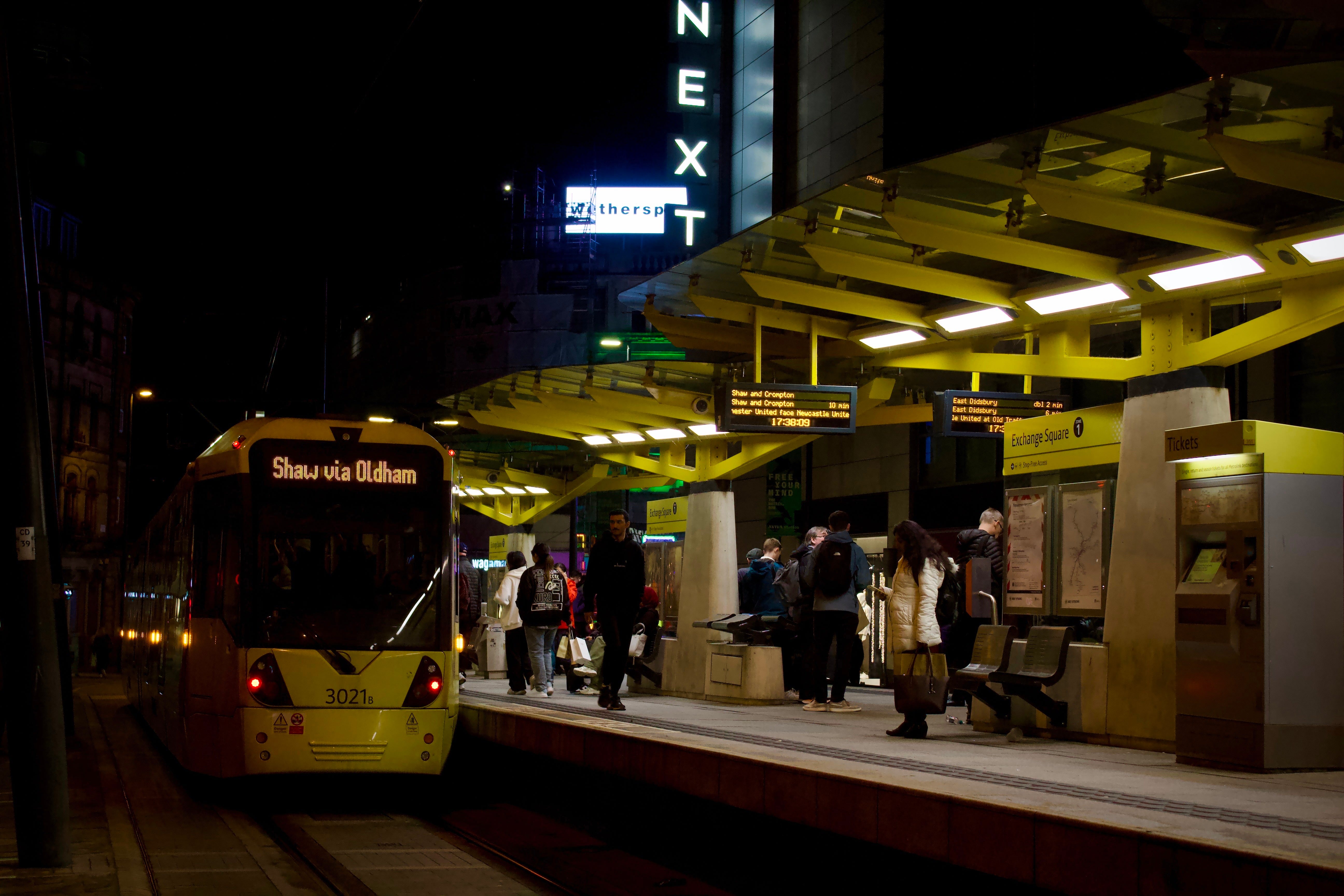
In early 2024, there were 11 combined/regional authorities in England, 10 of which had directly elected mayors. These 10 authorities had 16 mayors over their history.
All of them are white, and only one of them is a woman - Tracy Barbin, the Mayor of West Yorkshire Combined Authority.
By early 2026, the number of authorities had increased to 16, with 23 mayors in their history, only five of whom are women, and still no person of colour across the board.
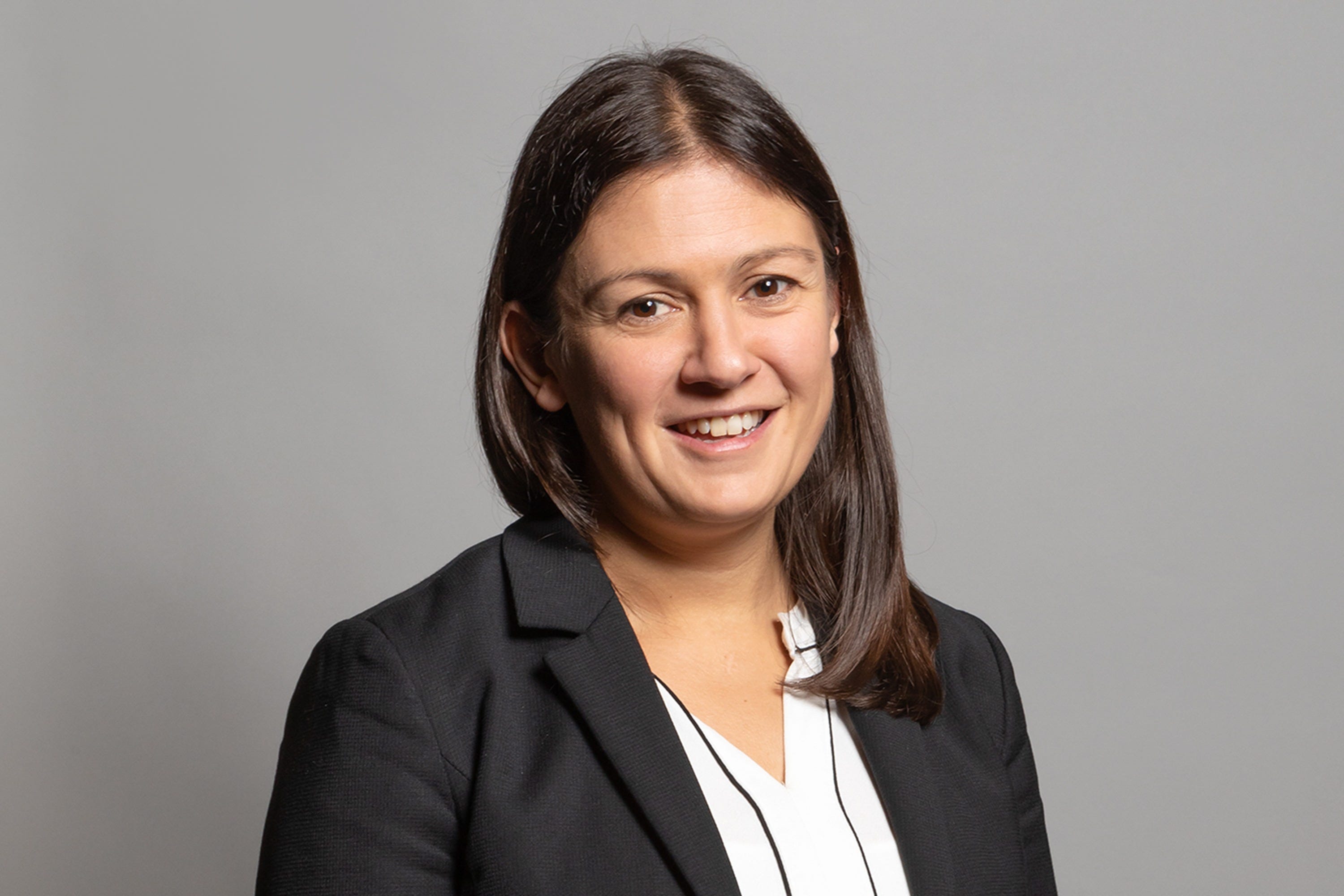
Lisa Nandy MP, and current Secretary of State for Culture, had summarised the problem during the launch of her book in 2023, where she said: “Real devolution means handing power back to the people […] There is no use just moving planning from one group of men in Whitehall to another group of men in the Townhall.
“We have got this enormous problem that we must talk more about.”
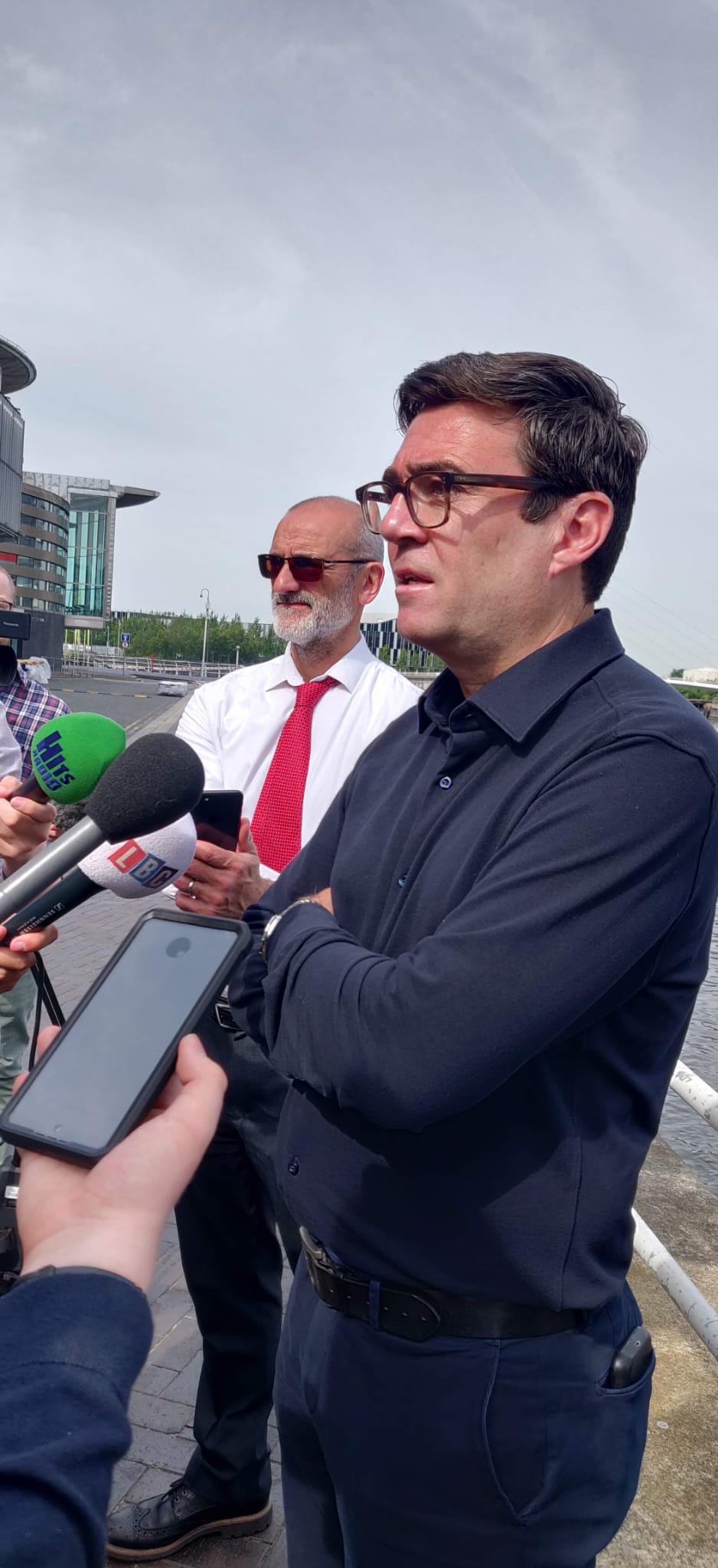
Even Greater Manchester, which was the one to pave the way for other regions outside of London, has only ever seen two white male leaders. Currently, their board isn’t all white male, with the inclusion of three female leaders, one of whom is of South Asian origin.
However, this is not proportional to the demographics of these city regions at large. So, questions remain on why this has happened and what impact it has had.
In terms of gender disparity, a reason why this may have happened is that devolution has been seen as a highly politicised topic, with each government having a different idea of how it should be done. And the people leading devolution in those governments have always been male.
For example, during the 14 years of Conservative government, since George Osborne took office as the Chancellor of the Exchequer in 2010 and announced devolution, there have been 6 other residents of 11 Downing Street. They are Phillip Hammond, Sajid Javid, Rishi Sunak, Nadim Zahawi, Kwasi Kwarteng and Jeremy Hunt, in that order.
Similarly, the position of the department for levelling up was made in 2021 and has had 3 different secretaries: Starting from Michael Gove, Greg Clark, then Simon Clarke and now it is Michael Gove again.
All of whom are men.
This did change under Labour, with Rachel Reeves becoming the first ever female Chancellor, and Angela Rayner initially taking up the office of the levelling up secretary. However, under Mrs Rayner, the department was renamed to Housing, Communities and Local Government, and following a controversy, she resigned from the post, and Steve Reed was appointed.

Academics at the University of Manchester have been working together to increase the number of women in policy-making, under a campaign called Mind the Gap. They believe, “The lack of female leaders in the central government has meant that there is a certain amount of hostility towards women who attempt to lead devolved governments.”
Their campaign supports local MPs such as Angela Rayner and Lisa Nandy, both of whom have held the position of Shadow Secretary of State for Levelling Up, with Mrs Rayner eventually becoming the Secretary for the department.
The campaign believes that if Labour do come to power, then women’s inclusion in politics would drastically rise, due to their greater representation on the frontbench.
Lisa Nandy said: “The lack of women in devolved governments has meant that money that could be used to provide health, education, and well-being for women is being diverted to housing and city-building.” She further elaborated that this means the access that women want from devolution is not coming towards them, and their voices are not being heard.
However, the same argument regarding central government representation cannot be made for the lack of ethnic diversity in devolution, as there have been multiple Chancellors since Osborne of differing ethnicities.
According to Professor Maria Sobolewska, the underlying theory behind the lack of ethnic diversity is “That councillors from ethnic minorities aren’t given the same platform as white councillors […] and hence find it difficult to move up the political ladder, at the local level.”
The impact that this has is quite direct.
That is, with devolved powers comes increased financial liberties of city-regions, which in turn attracts businesses. Those businesses are now pushing locally owned shops, which are heavily dominated by people from ethnic minorities, out of business.
As a result, areas like Manchester’s Curry Mile, known for its Middle-Eastern and South-Asian food, are losing out to big businesses, as an impact of devolution.
Germany, which devolved powers within itself after the reunification, did see this as a huge problem. They introduced legislation to make sure that diversity is present in their devolved governments and to make sure that the social well-being of all is considered.
The lack thereof is now impacting England.
This leads to organisations such as the Trade Union Congress saying: “All devolved combined authorities and the elected Metro Mayors must prioritise empowering every member of their community, and that might involve thinking outside of the box, to achieve a truly inclusive society.”
The six new combined authorities could either influence this trend further, or dramatically make politics more representative.